


Aging & Isolation: How to Identify Subtle Signs Before They Escalate

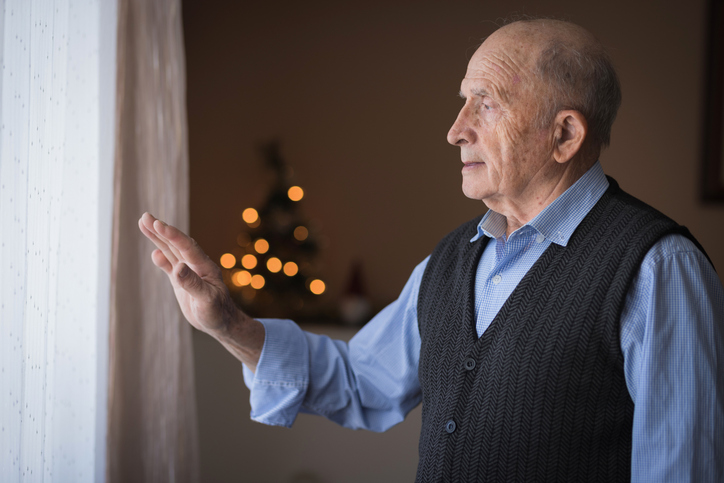
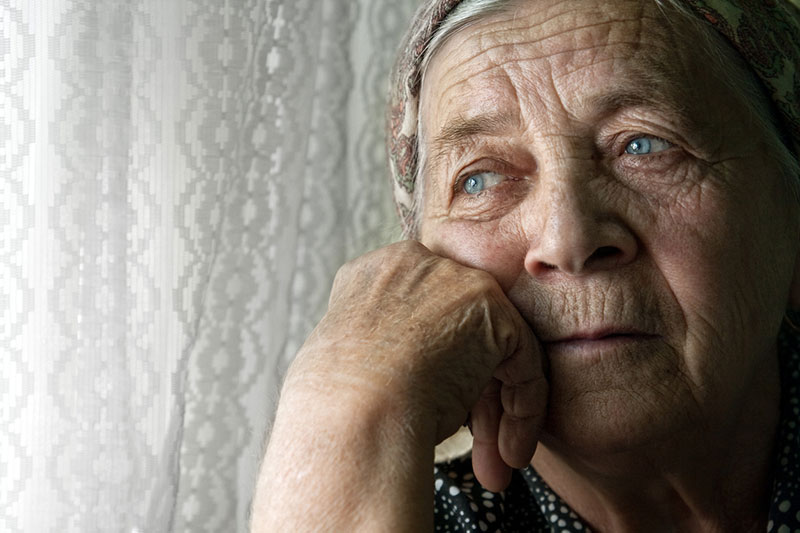
Elderly man walks through winter alone, unsupervised.

Learn to identify the signs of social isolation and loneliness before they progress during winter months. Your loved one’s mental well-being and overall health may be challenged by seasonal depression.

The Silent Shift After the Holidays: Why January Is When Care Needs Become Most Visible

Once the holiday decorations come down and daily life resumes, many families find themselves sitting with a quiet realization: something feels different. This is the silent shift after the holidays, and for many families, January is when senior care needs become most visible.

Why Subtle Changes in Aging Parents Matter More Than You Think

A woman wonders if her aging parent’s care needs have changed as she looks closely at his face.

It’s easy to track aging by the obvious milestones. A new diagnosis. A change in medications. A hospital stay that shifts everyone’s routines. But for many families, the most meaningful changes don’t arrive all at once. They surface quietly, layered into ordinary days, and they’re often overlooked until you pause and look at the full … Read more

How Intergenerational Caregiving Helps Families Thrive

A warm moment highlights the value of intergenerational caregiving within a family.

Kids have a way of changing the feel of a room the moment they step inside. Their curiosity, questions, and bursts of laughter create moments adults simply can’t replicate. While caregiving usually falls on grown-up shoulders, children can play meaningful, age-appropriate roles in intergenerational caregiving that add comfort, ease tension, and strengthen family bonds—without forcing … Read more

Caring for the Caregiver: Protecting Caregiver Mental Health

Women concerned about protecting caregiver mental health stand in community together on the beach.

You’ve heard the saying, “It takes a village.” But what happens when the villagers — the caregivers — are exhausted? If you’ve ever skipped your own checkup because your dad had one, or eaten dinner over the sink because you didn’t have time to sit down, you already know: caregiving takes more than love. It … Read more

Protecting Senior Emotional Health With Compassionate Home Care

A woman works to support senior emotional health by spending time with a senior loved one.
Senior emotional health is supported through home care that encourages purpose and meaningful daily activities.

It’s easy to notice when someone needs help with mobility, medications, or meals. What’s harder to see—but just as important—is how they’re doing emotionally. The truth is, senior emotional health and physical health are deeply connected. Loneliness can raise blood pressure, anxiety can rob a person of restful sleep, and depression can slow the body’s ability to heal.


Read more

Recognizing PTSD Symptoms in Seniors Before They’re Overlooked

A man struggles with recognizing PTSD symptoms in seniors and rests his head in his hands.
PTSD symptoms in seniors often appear as sleep struggles, irritability, or withdrawal from loved ones.

A car backfires down the street, and suddenly the person next to you stiffens. A whiff of smoke from a neighbor’s barbecue, and their whole demeanor shifts. For an older adult with a history of trauma, ordinary sights, sounds, or even scents can serve as jarring reminders of the past.

Read more

The Unexpected Benefits of Diabetes Care at Home

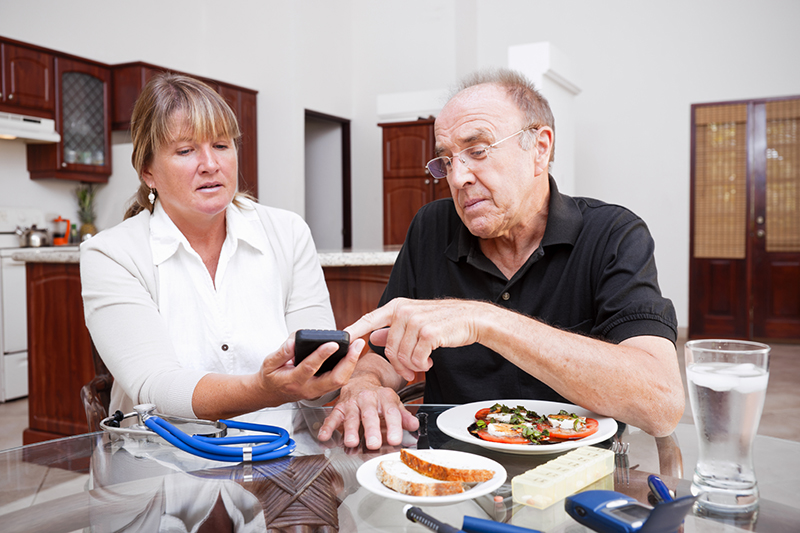
A man receiving diabetes care at home checks his blood sugar level.

Learn about some of the many ways diabetes care at home can change the life of someone you love.

It often starts with little things. A missed medication dose here, a skipped meal there. Maybe the fridge is filled with food that doesn’t match the diet they’re supposed to follow. Or maybe you notice them feeling more tired, more forgetful, less steady. If someone you love is living with diabetes, you probably already know how quickly these small details can turn into major concerns.

Read more

Home After a Stroke: What Now?

A caregiver holds the hands of an older man who has just come home after a stroke.
When someone you love comes home after a stroke, it’s important to know how you can best support then.

The hospital doors have closed behind you, and now you’re standing in the living room, unsure what happens next. The IVs, alarms, and constant check-ins are gone, replaced with silence—and a growing list of questions.

Read more

What You Need to Know Now About Stroke Recovery at Home

A colorful brain created with plastic cogs and wheels represents stroke recovery at home.

A stroke often hits without warning. One moment everything feels normal, and the next, life is interrupted. A trip to the emergency room. A diagnosis. A flood of emotions. In the aftermath, it’s common to be filled with uncertainty. How much recovery is possible? Will things ever feel “normal” again? If you’re supporting someone with … Read more

Bringing Mom Home From the Hospital? Watch Out for Post-Hospital Syndrome!

A man bringing Mom home from the hospital smiles with her medical team as they escort her through the hallway

Bringing Mom home from the hospital should be a relief. The hard part is over—she’s back in familiar surroundings, and recovery can begin. But instead of improving, she seems drained, anxious, or even weaker than before. Maybe she’s struggling with simple tasks, having trouble sleeping, or feeling overwhelmed. Instead of the turning point you expected, … Read more

Personalized Home Care Strategies for Managing MS Symptoms

An older man laughs with his caregiver as she helps him with managing MS symptoms.
Managing MS symptoms is so much easier with help from a home care professional!

What’s the hardest part of managing MS symptoms? Is it the unpredictable fatigue? The mobility challenges? Or maybe just keeping up with daily tasks when your energy feels drained? Multiple sclerosis affects everyone differently, which means there’s no one-size-fits-all approach to care. That’s why personalized home care is so valuable—it adapts to your needs, offering just the right level of support to help you stay comfortable, independent, and in control.

Read more

Here’s What Family Caregivers Say They Need

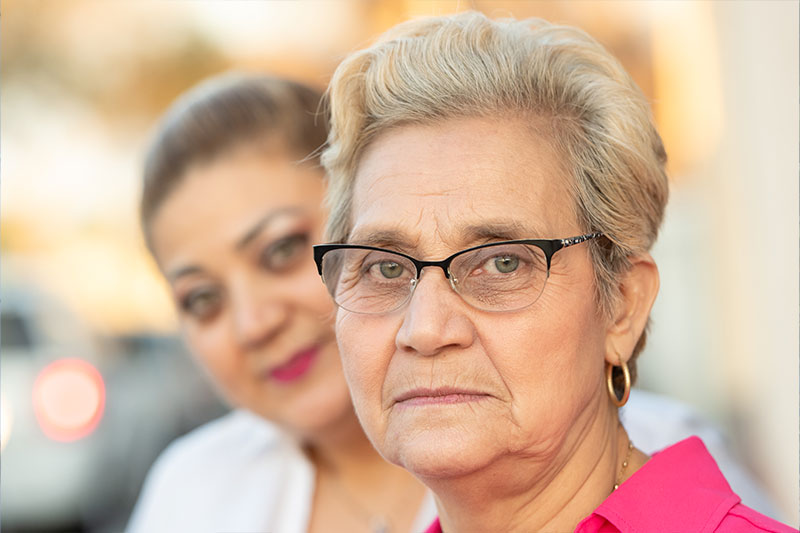
An older woman looks stoically ahead while a younger woman, who knows what caregivers say they need, stands blurred behind her.
If you’re wondering what caregivers say they need, we have the fascinating details here!

If you’ve ever felt invisible as a family caregiver, you’re not alone. Caring for someone you love takes center stage, and you may find that your own needs are put on the back burner. A recent listening session, however, allowed us to find out firsthand what family caregivers say they need – and their feedback may surprise you. Here are some of the key findings and insights gleaned from these sessions.

Read more

Understanding and Addressing Depression in Older Adults

A woman discusses issues she has come across as a family caregiver as she explores the benefits of family therapy in senior caregiving.
A senior couple wave at family members on a tablet device because keeping in touch with loved ones is an important way to reduce depression in older adults.
Managing depression in older adults can be challenging, but these tips can help.

The fear and isolation brought on by COVID-19 wreaked havoc on the wellbeing of older adults, with nearly half of seniors surveyed in a Kaiser Family Foundation poll stating that their degree of stress and worry was negatively impacting their own health. It is crucial to remain in regular and frequent contact with senior loved ones, in order to watch for any signs or changes which might signify a mental health concern.

Read more

The Astounding Link Between Exercise and Parkinson’s

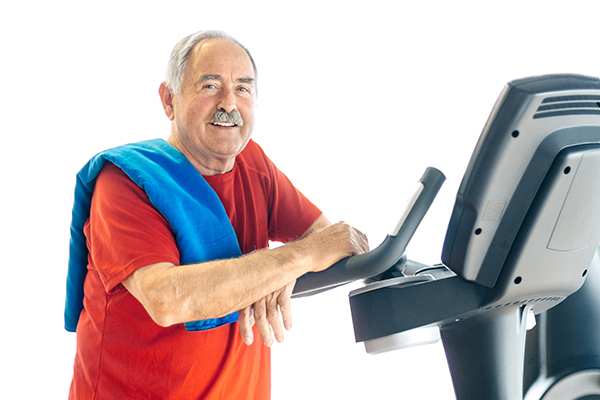
An older man who has learned about the link between exercise and Parkinson’s smiles as he leans on a treadmill.
Learn about the link between exercise and Parkinson’s and how our home care team can help.

The results of maintaining some form of exercise regimen throughout aging are remarkable, but for those with Parkinson’s, it may truly be a game-changer regarding the progression of the disease. Several studies are showing a direct link between exercise and Parkinson’s, including the largest clinical study to date, in which patients who exercised at least 2½ hours per week gained a greater total wellbeing compared to those who refrained from physical activity. And that is just the beginning.

Read more

Cultural Competence: What It Is and Why It Matters

A cartoon of an older man walking his dog on a rainbow road towards another older man reading a newspaper signifies the importance of cultural competence.
: Learn what cultural competence is and the steps we’re taking to ensure respectful care for all.

In our commitment to fostering compassionate and supportive spaces for seniors, the importance of cultural competence shines, especially concerning the distinct needs of LGBTQ+ individuals in their later years. Cultural competence transcends mere tolerance, requiring a profound understanding and respect for diverse identities, backgrounds, and experiences. In the realm of senior care, embracing cultural competence becomes crucial to ensuring LGBTQ+ seniors receive the dignity and understanding they deserve as they navigate the complexities of aging.

Read more

Overcoming Common Hurdles Faced by LGBTQ+ Seniors

A woman who is part of the community of LGBTQ+ seniors holds up a rainbow flag.
Learn how we can help LGBTQ+ seniors with inclusive, respectful care.

As we embark on the journey of life, each individual’s story unfolds like a tapestry, rich with diverse experiences and vibrant hues. Among the threads of this intricate fabric are the narratives of LGBTQ+ seniors, whose stories often bear the weight of challenges that demand our attention and empathy. As a leading provider of home care services in Austin and the surrounding areas, we understand the significance of fostering inclusivity to ensure that every member of our community receives the support and care they deserve.

Read more

How to Recognize and Manage Seasonal Affective Disorder

An older man struggling with seasonal affective disorder gazes out the window and offers a halfhearted wave .
Help someone struggling with seasonal affective disorder with these tips.

The holiday season is often associated with joy, festivities, and quality time spent with loved ones. However, for some individuals, especially seniors, the fall and winter months can trigger a form of clinical depression known as Seasonal Affective Disorder (SAD). This condition is more than just the winter blues; it can cast a shadow over the holidays, leading to feelings of sadness and nostalgia, particularly for seniors who reminisce about past celebrations with loved ones who are no longer present.

Read more

How to Process the Emotions of Caring for Someone With Dementia

A woman who knows how to process the emotions of caring for someone with dementia hugs her mother as they gaze out at the ocean.
Learn how to process the emotions of caring for someone with dementia in a healthy way.

Receiving a diagnosis of Alzheimer’s disease is life-altering – for the person being diagnosed, of course, but just as much for his or her loved ones. It’s important for family caregivers to know how to process the emotions of caring for someone with dementia in healthy ways, and to allow themselves ample time to care for their own mental health and wellbeing.

Read more

How to Help Ease the Side Effects of Cancer Treatment

cancer patient comforted by family
Learn about four common side effects of cancer treatment and how you can help minimize them.

If a person you love is fighting cancer, they may be suffering from a few unpleasant side effects of the cancer treatment they are receiving, and you will want to do whatever you can to help relieve these symptoms. Even though just being there with them to provide comfort and friendship is in itself extremely helpful, there are additional steps you can take.

Read more

5 Steps to Better Management of Kidney Disease

Better management of kidney disease is possible through following these five simple steps.

Hiccupping. Itching. Changes in appetite and sleep. These are just some of the seemingly innocuous red flags that might perhaps suggest kidney disease. And with as many as 20 million people in the United States alone managing the disease, plus many more who have not yet been diagnosed, it’s crucial that individuals experiencing these symptoms bring them to the attention of the health care provider.

Read more

What Is a Geriatric Care Evaluation, and How Can It Help Aging Loved Ones?

Find the best services for an older loved one with the help of a geriatric care evaluation.

As we get older, we stay the unique and intricate people that we have been our whole lives. Assuming that all older adults will act the same and have a need for the same things is a one-size-fits-all approach that just will not work for seniors or the family members who take care of them. Providing care to older adults requires a creative and unique approach for every person. When a caregiver better understands just who the person is and what their distinct needs are, the best plan of care can be fashioned to keep the individual healthy and well at home.

Read more

Managing COPD: Tips for Helping a Loved One

Diet, exercise, and improving air quality are ways to help with managing COPD symptoms.

COPD, or chronic obstructive pulmonary disease, is the term for two lung diseases: emphysema and chronic bronchitis. Basically, an individual’s breathing is severely affected by an obstruction to airflow. Prevailing symptoms include an excessively wet cough, wheezing, shortness of breath, and tightness in the chest. Managing COPD symptoms such as these can be extremely challenging.

Read more

Are the Benefits of Exercise for Seniors Comparable to Medicine?

If you made a resolution in January to work out more this year, hopefully you’re continuing to stay with it! Adding extra physical activity to your everyday activities is one resolution we should all be putting into action. For seniors, many of whom take a variety of medications for various health problems, this is particularly true. As the top provider of in-home care services in Austin and surrounding areas, we’re excited to share research that shows new benefits of exercise for seniors.

Read more

Understanding and Managing Compassion Fatigue

Caregivers dedicate so much of themselves to the ones they care for – both emotionally and physically. It’s common to become wiped out and to start to experience feelings like indifference, exhaustion, and a withdrawal from the person in your care. Referred to as compassion fatigue or secondary traumatic stress, it can be detrimental to your own wellbeing but can also influence your ability to be as nurturing, warm, and caring as you should be for the person you’re caring for.

Read more

The Importance of Maintaining Senior Independence

austin senior care

Throughout the course of life’s stages, our yearning for independence is fulfilled in a variety of ways. There are significant events, such as moving out of our parents’ home or getting married, and less significant occasions, like accomplishing a difficult task on our own. Later, as we age, preserving independence becomes the focus – the capacity to stay in our own home safely and securely. This wish to age in place at home is frequently the greatest desire for older adults, regardless of their state of health or ability to function independently, even in the midst of injury, sickness, or chronic health conditions. 

Read more

Respectful Communication When Caring for a Loved One

home care austin

Did you ever walk into the office or a get-together with family or friends and had someone say to you, “You look so tired today!” While you may have felt pretty perky until that moment, suddenly you really DO feel tired and worn out. The words we say to one another, along with the way we interpret them, are powerful. So if you’re a caregiver for a senior you love, or even just talking with someone who has a chronic health concern, it’s important to carefully think about what to say and, even more importantly, what NOT to say to help the person feel their best. Respectful communication can help pave the way to a better relationship between you and your loved one.

Read more

Senior Depression: Warning Signs

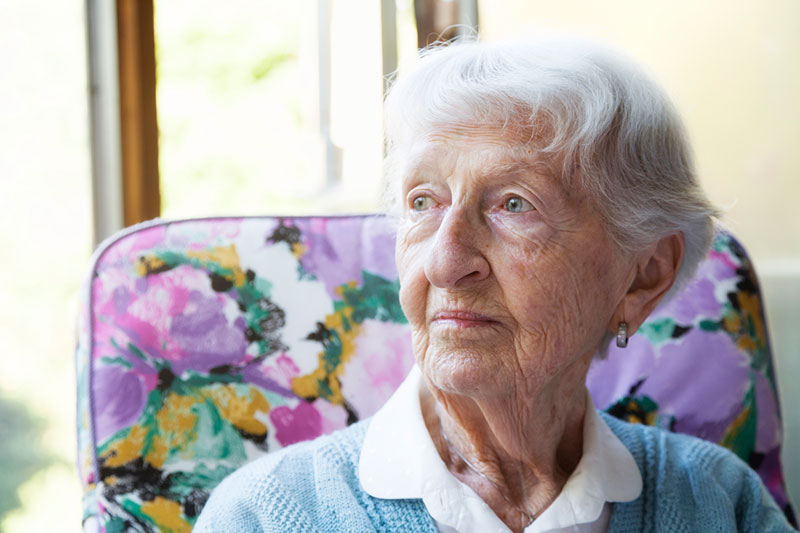
sad-senior-looking-longingly

Most people go through times when they simply want to be left alone for a while with their thoughts, to sort out circumstances in their lives without distractions, or just to have some downtime. For older people, however, being isolated for an extended period of time may be indicative of a more serious condition: depression. If your loved one is facing senior depression, how will you know?

Read more

Depression or Dementia: Know the Differences

senior-woman-looking-out-window

Spending time with Mom recently revealed several unsettling signs. Though she has always been an early riser, now it’s hard for her to wake up before lunchtime. Instead of going to great lengths to prepare an elaborate home-cooked meal, she would rather just heat up a can of soup and can barely finish a small bowlful. Furthermore, she has lost interest in spending time with her beloved friends from church. Could she be suffering from depression or dementia?

Read more

My Loved One Needs Professional Help at Home. So, What’s Next?

home care solutions

You’re beginning to become concerned that Dad may possibly be in need of some professional help at home, and so obviously, you know just where to go for assistance, right? No? Take heart – you aren’t alone. Millions of people in the U.S. are facing the same predicament, and most people don’t know a lot about home care services until the need for care arises.

Contact us online or call us at (512) 338-4533 for professional home care services.

Read more

Enhancing Independence for Older Adults is Easier When Partnering with CareFor

caregiver reading to senior man

As we get older, it is common to begin to encounter challenges with daily activities, including showering, dressing, planning and preparing meals, or even driving a vehicle. This can lead to concerns that these challenges suggest that we’ll have to give up not just our self-reliance, but our home as well. However, there is encouraging news for seniors: home care services, such as those provided by CareFor, can help actually enhance independence for older adults and help them continue living at home safely where they’re most comfortable. 

Read more

Is Senior Socialization the Key to Healthy Wellbeing in Older Adults?

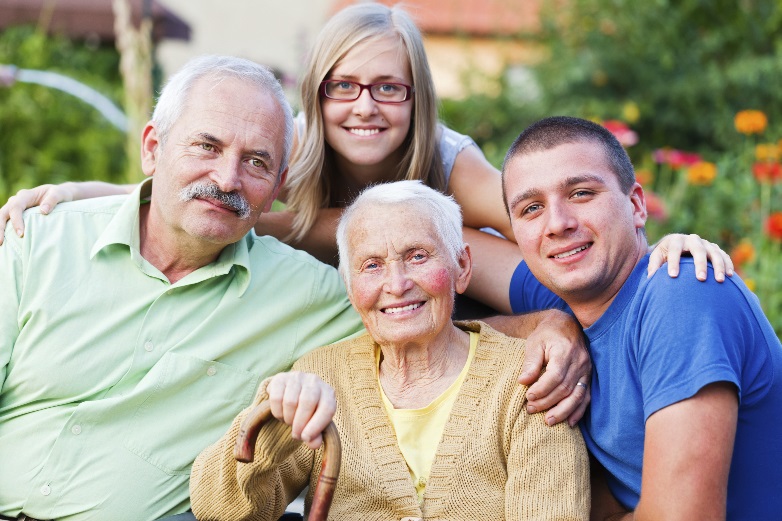
family posing with senior loved one

It’s intuitive to most of us that interacting with others improves health and wellbeing. It keeps us connected to other people’s experiences, beliefs, struggles, humor, points of views, and various other human occurrences. However, now scientific studies are determining that socializing with others, and most notably seniors socializing with others, actually may boost the wellness of both mind and body.

Read more

Care From a Distance: Choosing Care Management During COVID-19

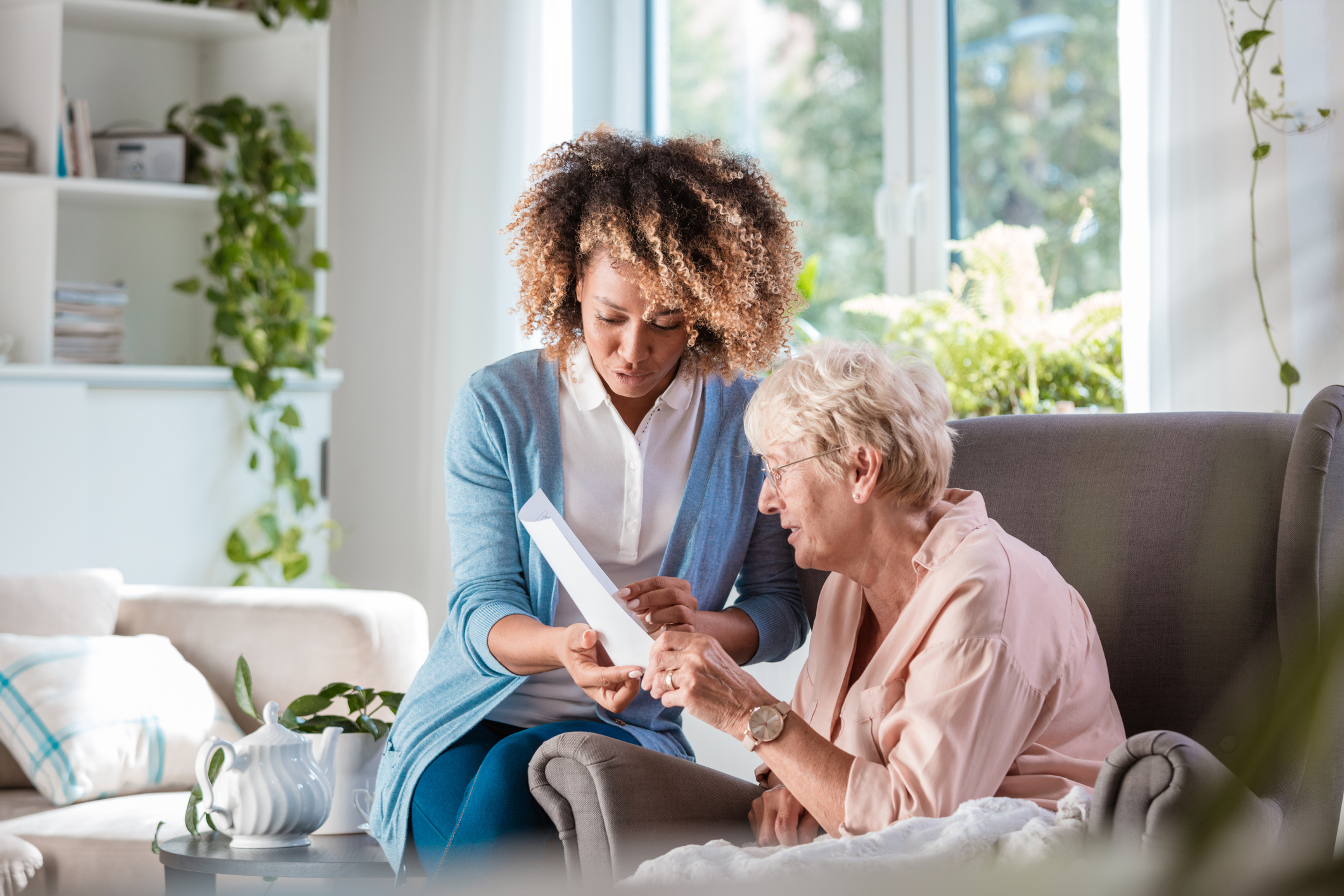
caregiver assisting senior woman with paperwork

The COVID-19 pandemic has been particularly concerning for older individuals and their family members. Seniors are disproportionately affected by the virus, especially those with underlying health concerns like COPD and heart issues. In order to maintain social distancing and decrease contact with potential contagions, many older adults have become progressively isolated from their loved ones. Without routine socialization and attentive care, loneliness and depression as well as memory issues linked to dementia and other diseases can creep in. In response to these challenging circumstances, many seniors and their families are choosing to seek the help of care management during COVID-19.

Read more

How Care Management Can Help Seniors Managing Chronic Health Needs

caregiver discussing medication with senior man

Managing the numerous medical appointments, treatments, tests, prescriptions, lifestyle adjustments, and more is a way of life for the many older individuals with chronic health needs. According to the Centers for Disease Control and Prevention, as many as 85% of seniors have at least one chronic health care need, and 60% are living with two or more. The difficulties can seem overwhelming. But there’s one essential element to help seniors managing chronic health needs: care management.

Read more

A Senior’s Sense of Purpose: Feeling Useful Makes All the Difference

Senior woman and her adult daughter cutting flowers

Look online for the phrase “activities for seniors” and you’ll likely find a number of memory stimulation puzzles, crafts, games, and of course, the requisite bingo. What you won’t find, unless you really search much longer, are the meaningful, philanthropic activities that provide meaning and purpose to our lives. Yet, if you ask older individuals … Read more

Stay Active with the Best Exercises for Seniors

Older adult couple doing stretches outside

The benefits of physical fitness for seniors do not decrease as we become older, and it’s extremely critical for older adults to retain as active a lifestyle as possible. Even individuals who are confined to a bed or who are wheelchair-bound have a variety of possibilities available to strengthen and improve resistance and flexibility.

Read more

Accessibility Toolbar